
About Ken
Ken Takakura (高倉 健, Takakura Ken), born Gouichi Oda (February 16, 1931, in Kitakyūshū, Fukuoka, Japan), was a Japanese actor best known for his brooding style and the stoic presence he brings to his roles. Takakura gained his streetwise swagger and tough-guy persona watching yakuza turf battles over the lucrative black market and racketeering in postwar Fukuoka.
Read full biography
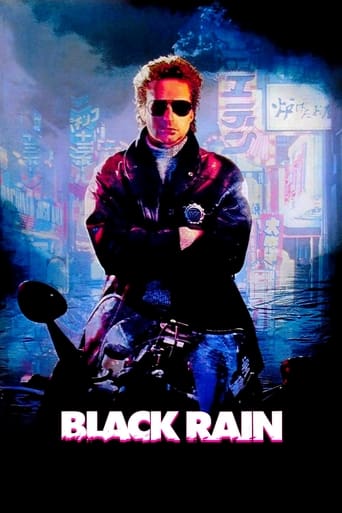
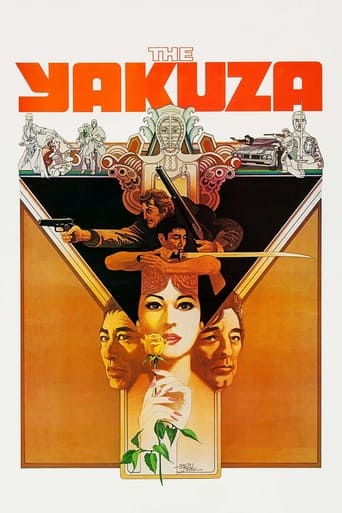
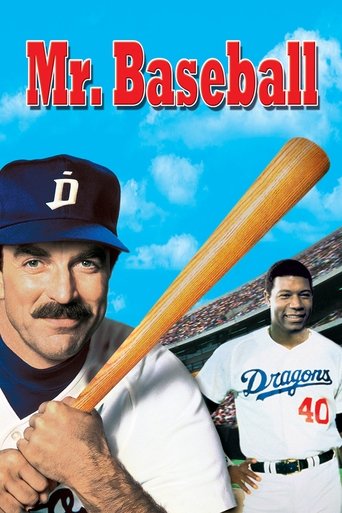
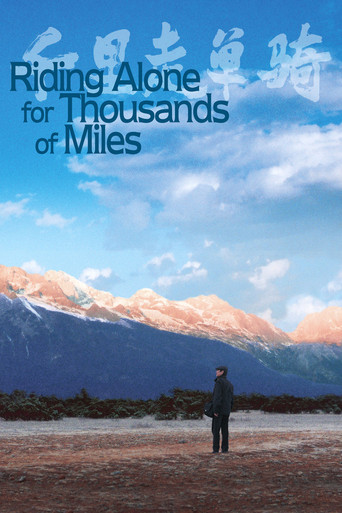
Ken Takakura (高倉 健, Takakura Ken), born Gouichi Oda (February 16, 1931, in Kitakyūshū, Fukuoka, Japan), was a Japanese actor best known for his brooding style and the stoic presence he brings to his roles. Takakura gained his streetwise swagger and tough-guy persona watching yakuza turf battles over the lucrative black market and racketeering in postwar Fukuoka. This subject was covered in one of his most famous movies, Showa Zankyo-den (Remnants of Chivalry in the Showa Era), in which he played an honorable old-school yakuza among the violent post-war gurentai. A graduate of Meiji University in Tokyo Takakura happened by an audition in 1955 at the Toei Film Company, and decided to look in. Toei found a natural in Takakura as he debuted with Denko Karate Uchi (Lightning Karate Blow) in 1956. Japan experienced a boom in gangster films in the 1960s as the Japanese people struggled with the generational differences between those raised in pre-war and post-war Japan and these were Takakura's stock and trade. His breakout role would be in the 1965 film Abashiri Prison, and its sequel Abashiri Bangaichi: Bokyohen (Abashiri Prison: Longing for Home, also 1965), in which he played an ex-con antihero. By the time Takakura would leave Toei in 1976, he had appeared in over 180 films. Takakura gained international recognition after starring in the 1970 war film Too Late the Hero as the cunning Imperial Japanese Major Yamaguchi, the 1975 Sydney Pollack sleeper hit The Yakuza with Robert Mitchum and is probably best known in the West for his role in Ridley Scott's Black Rain (1989) where he surprises American cops played by Michael Douglas and Andy García with the line, "I do speak fucking English". He again proved himself bankable to Western audiences with the 1992 Fred Schepisi comedy Mr. Baseball starring Tom Selleck. While he has slowed down a bit in his older years, he is still active. His most recent film was the 2005 Riding Alone for Thousands of Miles by Chinese director Zhang Yimou. Description above from the Wikipedia article Ken Takakura, licensed under CC-BY-SA,full list of contributors on Wikipedia.
Known for


Full filmography 201
| Year | Title | Role | Rating |
|---|---|---|---|
| 2016 | Ken San Film | Self | 6.7 |
| 2012 | Dearest Film | Eiji Shimakura | 6.7 |
| 2006 | Black Rain: Making The Film Film | Self (archive footage) | 7.3 |
| 2005 | Riding Alone for Thousands of Miles Film | Gou-ichi Takata | 7.1 |
| 2001 | The Firefly Film | Yamaoka Shuji | 7.5 |
| 1999 | Railroad Man Film | Otomatsu Sato | 7.0 |
| 1996 | SMAP×SMAP Series | Bistro Guest | 8.5 |
| 1995 | The detective whose path was crossed by a snake Film | — | — |
| 1994 | 47 Ronin Film | Kuranosuke Oishi | 7.4 |
| 1993 | Korekara: Umibe no Tabibitotachi Series | — | — |
| 1992 | Mr. Baseball Film | Uchiyama | 5.9 |
| 1992 | An Elegy of Tyrole Series | Tateishi Jiro | — |
| 1991 | Robert Mitchum: The Reluctant Star Film | Self (archive footage) | 7.0 |
| 1989 | Buddies Film | Kadokura | 6.9 |
| 1989 | Black Rain Film | Masahiro | 6.6 |
| 1988 | Umi e, See You Film | Eiji Honma | 10.0 |
| 1985 | Demon Film | Shuji | 7.6 |
| 1984 | A Portrait of the Author Film | Self | — |
| 1983 | Choji Snack Bar Film | Eiji | 7.2 |
| 1983 | Antarctica Film | Ushioda | 7.2 |
| 1982 | The Longest Tunnel Film | Go Akutsu | 10.0 |
| 1982 | Karate Cop Film | Detective Mikami | 9.0 |
| 1981 | Station Film | Eiji Mikami | 6.3 |
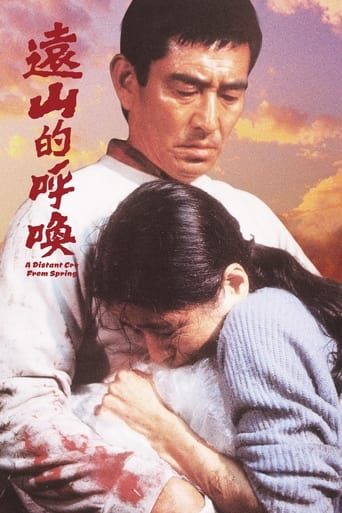
| 1980 | A Distant Cry from Spring Film | Kosaku Tajima | 7.4 |
| 1980 | The Revolt Film | Keisuke Miyagi | 7.0 |
| 1978 | Never Give Up Film | Takeshi Ajisawa | 6.4 |
| 1978 | Winter's Flower Film | Hidetsugu Kano | 6.7 |
| 1977 | Older brother Series | Eiji | — |
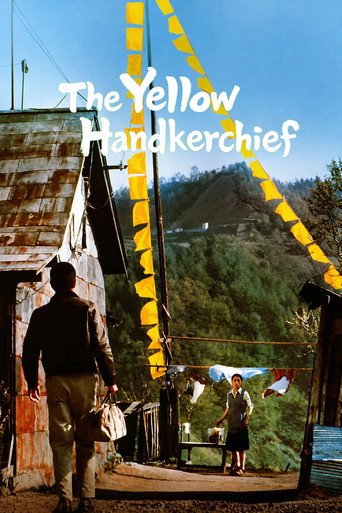
| 1977 | The Yellow Handkerchief Film | Yusaku Shima | 7.0 |
| 1977 | Mount Hakkoda Film | Captain Tokushima | 6.6 |
| 1976 | Manhunt Film | Morioka | 6.3 |
| 1975 | The International Gang of Kobe Film | Masato Dan | 5.7 |
| 1975 | The Bullet Train Film | Tetsuo Okita | 6.9 |
| 1975 | Great Jailbreak Film | Ichiro Kozue | 7.0 |
| 1975 | Path of Japanese Chivalry: Story of All-Out Attack Film | — | 10.0 |
| 1974 | The Yakuza Film | Tanaka Ken | 7.1 |
| 1974 | The Homeless Film | Jokichi Anabuki | 7.8 |
| 1974 | Third Generation Boss Film | — | 8.0 |
| 1973 | Golgo 13 Film | Duke Togo / Golgo 13 | 5.1 |
| 1973 | Yakuza of the Present Film | Ryoichi Shimaya | 7.0 |
| 1973 | Japan's Top Gangster Film | Kazuo Taoka | 7.0 |
| 1972 | Contemporary Tales of Chivalry: The Traitor Shall Die Film | — | 7.0 |
| 1972 | New Abashiri Prison Story: Honor and Humanity, Ammunition That Attracts the Storm Film | — | 10.0 |
| 1972 | The Pledge Film | — | 5.8 |
| 1972 | Lullaby for a Tough Guy Film | — | 10.0 |
| 1972 | The Kanto Scarlet Cherry Gang Film | Kuramoto | 6.8 |
| 1971 | New Prison Walls of Abashiri: Snowbound Deserter Film | — | 8.0 |
| 1971 | The Man Film | — | 7.0 |
| 1971 | Contemporary Tales of Chivalry: Forbidden Love Film | Hidejiro Hanada | 7.5 |
| 1971 | New Prison Walls of Abashiri: Stormy Cape Film | — | 5.8 |
| 1971 | Patience Has An End Film | Isamu Tekada | 5.9 |
| 1971 | Dagger Film | — | 7.0 |
| 1971 | Bloodiest Flower Film | — | 6.0 |
| 1971 | The Path of the King Film | Ryutaro Fudo | 6.5 |
| 1970 | New Prison Walls of Abashiri: Stray Wolf in Snow Film | — | 7.0 |
| 1970 | The Domain: Rising Dragon Film | — | 10.0 |
| 1970 | The Last Kamikaze Film | Koji Yashiro | 7.0 |
| 1970 | Brutal Tales of Chivalry 7: Hell Is a Man's Destiny Film | — | 7.0 |
| 1970 | New Prison Walls of Abashiri: High Stakes at Abashiri Film | — | 8.0 |
| 1970 | Yukyo-retsuden Film | — | 7.5 |