The source refused this stream. Nothing else on the page is affected — the cast, ratings and details below are all live.
Trailer finished
0:00 / 0:00
Film
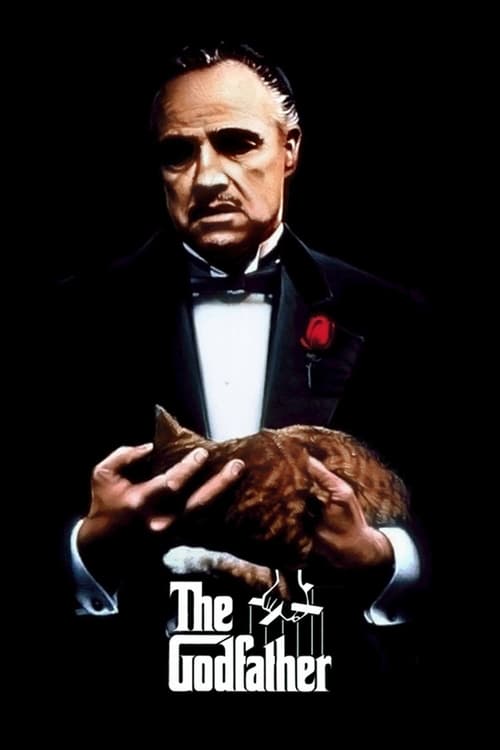
The Godfather
1972·R·175 min·★8.724k votes
The Godfather (1972) is a drama and crime film. It runs 175 minutes. It was directed by Francis Ford Coppola. TMDB viewers rate it 8.7 out of 10 from 24,000+ votes. It carries an R age rating. In the United States it streams on fuboTV, Paramount Plus Premium and Paramount Plus Essential.
The Godfather (1972) is a drama and crime film directed by Francis Ford Coppola from United States of America. It runs 175 minutes and is listed as released. Marlon Brando and Al Pacino lead the cast. Made for $6 million, it took $245 million at the box office. Viewers rate it 8.7 out of 10 from 24,036 votes. In the United States it streams on fuboTV, Paramount Plus Premium, Paramount Plus Essential.
Synopsis
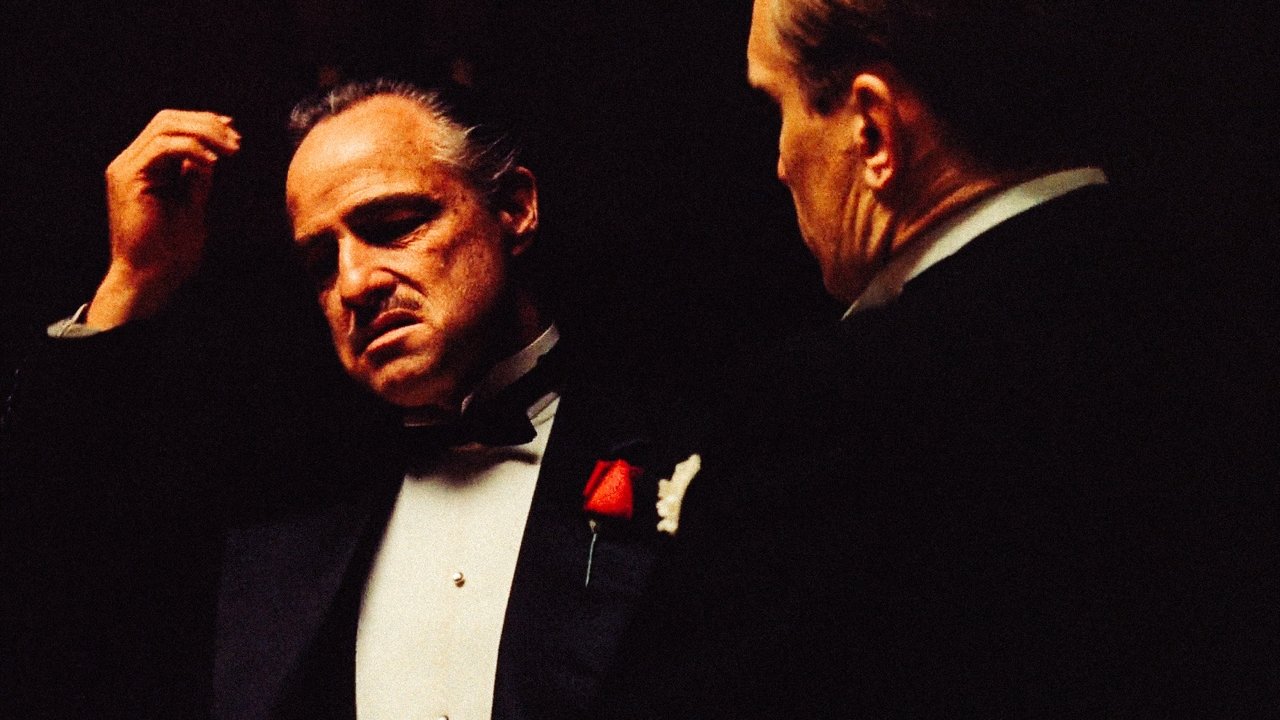
Spanning the years 1945 to 1955, a chronicle of the fictional Italian-American Corleone crime family. When organized crime family patriarch, Vito Corleone barely survives an attempt on his life, his youngest son, Michael steps in to take care of the would-be killers, launching a campaign of bloody revenge.
Gallery
12 stills
1 / 12
How to watch
BestRecommended
Stream on MovieState
Availability differs by country and server. Check the options on this page first, then open the player.
The Godfather Review by Al Carlson The Godfather is a film considered by most to be one of the greatest ever made. From The American Film Institute to as voted by users on the Internet Movie Database (IMDB) it is consider to be one of the best. As a film that ranks as high as other masterpieces including Citizen Kane…
The Godfather Review by Al Carlson The Godfather is a film considered by most to be one of the greatest ever made. From The American Film Institute to as voted by users on the Internet Movie Database (IMDB) it is consider to be one of the best. As a film that ranks as high as other masterpieces including Citizen Kane, Pulp Fiction and 12 Angry Men, The Godfather is an exceptional piece of cinema excellence that is flawless and is simply the pinnacle crime drama. The Godfather revolves around the Corleone’s, an Italian family with deep roots in the New York City mafia. The head of the Corleone’s is Don Vito Corleone, a man who takes care of his family and demands respect in return. His son Michael however, who just returned home from World War II, doesn’t want to become involved with the family business. The Sollozzo’s, a family of drug dealers, confront Don and request protection in exchange for profits from the Sollozzo’s drug sales. But Don declines the offer, for he is against selling narcotics. The rejected offer starts what turns into an all out mafia war between the two families with Michael diving deep into the mafia lifestyle. The characters are portrayed by a legendary all-star cast including Marlon Brando as Don, Al Pacino as his son Michael and James Caan as Don’s oldest son Sonny. The casting for this film has been considered by many to be the best casted film in history for their astonishing performances. All three main actors were nominated for an academy award, but only Marlon Brando won an Oscar for best actor in a leading role. It’s fascinating to watch how these characters change over the course of the movie, with one in particular changing drastically. Directer Francis Ford Coppola, being raised in an Italian-American family in New York, understood Italian culture exceptionally and made the film very authentically. Everything from the wedding dances to the cuisine to the terms used by the characters in Sicilian come from Coppola’s first-hand knowledge of Italian-American culture. Italian composer Nino Rota did an outstanding job making the soundtrack for the film, despite not getting the Oscar for best music (but he did win an Oscar for his…
crastana10/10
The best movie ever... A masterpiece by the young and talented Francis Ford Coppola, about a Mob family and their drama, the story telling is perfect, the acting good, sometimes a little over the top in the case of Thalia Shire (the sister of the director) The 70's were the best years for Hollywood.
drystyx1/10
While I'm writing this, The Godfather is still beloved by people who love it simply because they are told they have to love it. It's written by a mobster with the sole intention of depicting the lead mobsters as demi gods. Every line and every scene in the movie and the book is meant to intimidate people into thinking…
While I'm writing this, The Godfather is still beloved by people who love it simply because they are told they have to love it. It's written by a mobster with the sole intention of depicting the lead mobsters as demi gods. Every line and every scene in the movie and the book is meant to intimidate people into thinking the "Mafia" and really any mob, is a supernatural force. This is a movie glorifying control freaks, and most critics are control freaks, and most critics are either in the mob or think they can join the mob. The movie itself is dull and totally uninspiring, not to mention totally uninspired. For fifty years, the sheep have been cowing to the control freaks who tell them to love this movie that degrades them. There just isn't anything favorable about this movie. It owes its success to people who have interests in the movie or think they can get brownie points with such people. It's totally Hollywood in its depressing nature, and even in the seventies it was a formula film.
CinemaSerf7/10
When you get a story written quite this magnificently it would take an extreme amateur to screw it up - and Francis Ford Coppola is no amateur. Marlon Brando, Al Pacino, James Caan and Robert Duvall represent the epitome of guile, sophistication, loyalty, honour and brutality in this self-adapted Mario Puzo story of…
When you get a story written quite this magnificently it would take an extreme amateur to screw it up - and Francis Ford Coppola is no amateur. Marlon Brando, Al Pacino, James Caan and Robert Duvall represent the epitome of guile, sophistication, loyalty, honour and brutality in this self-adapted Mario Puzo story of the unambiguously ambitious "Corleone" family - they start with nothing and so the only way is up; however and whatever they need to do to get there. The characterisations are layered and colourful; Diane Keaton has no idea what she's getting herself into! John Cazale is great as the spineless brother "Fredo" too. Once again, Nino Rota pulls out all the stops to give this a score that helps cement this film's place as amongst the best ever made. My only criticism, and it is slight at that, is that the audio mix could have done with a bit of a boost. Much of the dialogue - especially from Brando - verges on the inaudible at times.
RalphRahal10/10
The Godfather (1972), directed by the legendary Francis Ford Coppola, is nothing short of a cinematic masterpiece that redefined storytelling in film. Based on Mario Puzo’s bestselling novel, the movie seamlessly blends crime drama with an epic exploration of power, loyalty, and family. Every frame is a testament to…
The Godfather (1972), directed by the legendary Francis Ford Coppola, is nothing short of a cinematic masterpiece that redefined storytelling in film. Based on Mario Puzo’s bestselling novel, the movie seamlessly blends crime drama with an epic exploration of power, loyalty, and family. Every frame is a testament to Coppola’s brilliance, as he transforms a gripping tale into a timeless work of art. At the center of this monumental film is Marlon Brando’s unforgettable performance as Vito Corleone. Brando masterfully embodies the aging patriarch with an aura of quiet menace and profound wisdom, earning him a well-deserved Academy Award for Best Actor. Al Pacino delivers a career-defining performance as Michael Corleone, evolving from a reluctant outsider to a ruthless leader in a chilling, yet utterly believable transformation. James Caan as the fiery Sonny Corleone and Robert Duvall as the cool-headed consigliere Tom Hagen also shine, each adding complexity and depth to their roles. Coppola’s direction is nothing short of visionary. His ability to craft an intricate narrative while maintaining a deliberate pace allows the characters and themes to breathe. The cinematography by Gordon Willis, often referred to as the “Prince of Darkness,” enhances the film’s iconic look, using shadows and warm tones to convey a sense of both intimacy and foreboding. Nino Rota’s haunting score, particularly the famous Godfather Waltz, further elevates the film into legend. A fun fact: The studio initially resisted casting Marlon Brando, who was considered difficult to work with at the time. Coppola had to fight for him and famously convinced the studio by showing a test reel of Brando stuffing his cheeks with cotton balls to transform into the iconic Don Vito Corleone. The rest, as they say, is history. The Godfather isn’t just a movie—it’s an experience. It’s a study of power and morality, a family saga, and a crime thriller all rolled into one. Its influence on filmmaking is immeasurable, and its performances, direction, and storytelling remain unparalleled. This is a film that stands the test of time, and for good reason: it’s a masterpiece in every sense of the word.
Suvo Sumdder Joy10/10
Francis Ford Coppola’s *The Godfather* does not rush to introduce you to its underworld; it demands your patience and rewards it exponentially. The film opens deliberately slow, immersing you in the opulent celebration of Don Vito Corleone’s daughter’s wedding. Through this masterfully staged sequence, Coppola builds…
Francis Ford Coppola’s *The Godfather* does not rush to introduce you to its underworld; it demands your patience and rewards it exponentially. The film opens deliberately slow, immersing you in the opulent celebration of Don Vito Corleone’s daughter’s wedding. Through this masterfully staged sequence, Coppola builds a living, breathing ecosystem—a respected, aristocratic Italian-American family operating in the shadows of power and blood. You understand who the Godfather truly is not through heavy exposition, but through the quiet deference of petitioners kissing his ring inside a dimly lit study while music and laughter echo just beyond the doors. As the narrative progresses and the stakes crystallize, the pacing locks into a hypnotic rhythm. The brilliance of the storytelling lies in framing organized crime through the lens of familial obligation. When rival factions strike—ambushing the Don in broad daylight and eliminating his most trusted enforcers—the kinetic energy of the film shifts dramatically. The violence is never gratuitous; it is cold, calculated, and carries immense emotional weight. Take, for example, the domestic brutality inflicted on Connie by her husband, Carlo, and the explosive, unbridled fury of Sonny Corleone charging out to defend his sister, driving straight into a meticulously orchestrated ambush at the tollbooth. That sequence alone demonstrates Coppola's total command over tension, spatial geography, and visceral tragedy. From a technical standpoint, Gordon Willis’s legendary low-key cinematography isolates characters in deep shadow, visually mirroring their creeping moral corruption. The transfer of power from the untouchable patriarch, Don Vito, to his youngest son, Michael—who begins the story distancing himself from the family empire only to inherit the throne after tragedy strikes—stands as one of the greatest character arcs in cinema history. Revenge here is not cathartic; it is strategic, icy, and soul-crushing. *The Godfather* is a monumental achievement in atmosphere, tone, and visual storytelling that transcends the crime genre to examine the devastating price of absolute power.