Synopsis
Kanji Watanabe is a middle-aged man who has worked in the same monotonous bureaucratic position for decades. Learning he has cancer, he starts to look for the meaning of his life.

The trailer isn't playing right now
The source refused this stream. Nothing else on the page is affected — the cast, ratings and details below are all live.
Trailer finished
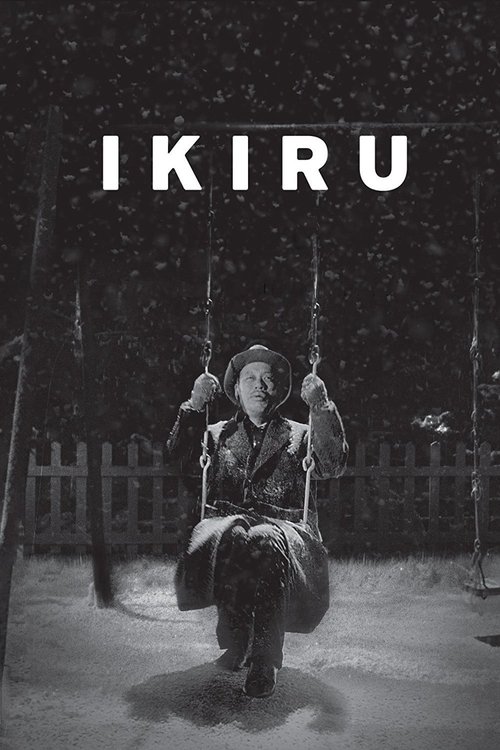
Film
生きる
Ikiru (1952) is a drama film. It runs 143 minutes. It was directed by Akira Kurosawa. TMDB viewers rate it 8.3 out of 10 from 1,000+ votes. It carries a NR age rating. In the United States it streams on HBO Max Amazon Channel, Criterion Channel and HBO Max.
“A big story of a little man which will grip your soul...”
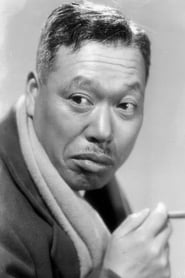 Takashi Shimura
Kanji Watanabe
 Haruo Tanaka
Sakai
 Nobuo Kaneko
Mitsuo, son of Kanji
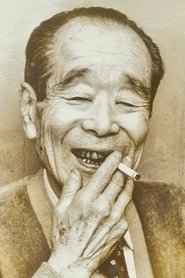 Bokuzen Hidari
Ohara
 Miki Odagiri
Toyo
 Shinichi Himori
Kimura
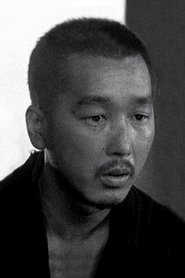 Minoru Chiaki
Noguchi
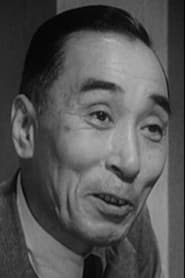 Minosuke Yamada
Subordinate Clerk Saito
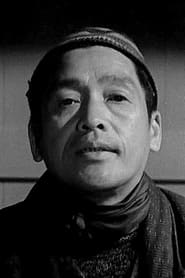 Kamatari Fujiwara
Sub-Section Chief Ono
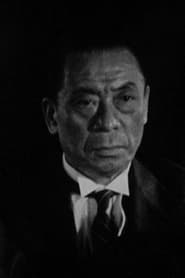 Makoto Kobori
Kiichi Watanabe, Kanji's Brother
 Nobuo Nakamura
Deputy Mayor
 Atsushi Watanabe
Patient
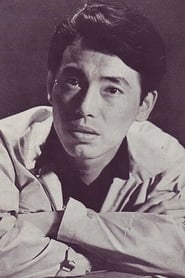 Isao Kimura
Intern
 Masao Shimizu
Doctor
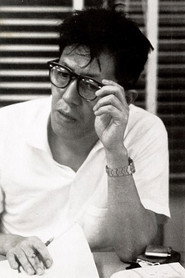 Yūnosuke Itō
Novelist
 Yoshie Minami
The Maid
 Kumeko Urabe
Tatsu Watanabe
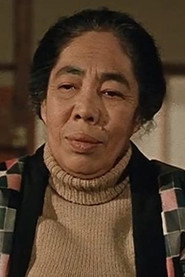 Eiko Miyoshi
Housewife
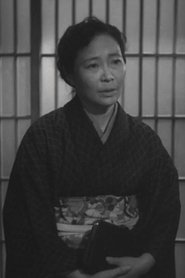 Noriko Honma
Housewife
 Yatsuko Tan'ami
Bar Hostess
 Kin Sugai
Housewife
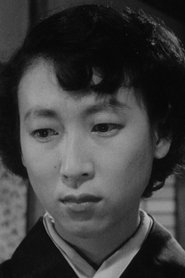 Kyôko Seki
Kazue Watanabe
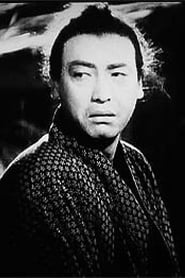 Kusuo Abe
City Assemblyman
 Tomo'o Nagai
Newspaperman
Ikiru (1952) is a drama film directed by Akira Kurosawa from Japan. It runs 143 minutes and is listed as released. Takashi Shimura and Haruo Tanaka lead the cast. Made for $85,000, it took $55,240 at the box office. Viewers rate it 8.3 out of 10 from 1,436 votes. In the United States it streams on HBO Max Amazon Channel, Criterion Channel, HBO Max.
Kanji Watanabe is a middle-aged man who has worked in the same monotonous bureaucratic position for decades. Learning he has cancer, he starts to look for the meaning of his life.
Best Recommended
Stream on MovieState
Availability differs by country and server. Check the options on this page first, then open the player.
 HBO Max Amazon Channel
 Criterion Channel
 HBO Max
 Kanopy
 Amazon Video
 Apple TV Store
 Google Play Movies
 YouTube
 Fandango At Home
Amazon Video
Apple TV Store
Google Play Movies
YouTube
Fandango At Home
Official streaming partners in the United States. Availability varies by country and provider, and these are listings rather than our own servers.
 TOHO
Takashi Shimura is "Watanabe", an elderly civil service lifer who is told that he has terminal stomach cancer. After years of a disciplined, rather pedestrian existence he now feels a need to emancipate himself and start to live a little. The story is told through two threads: one looks at the end of the old gent's…
Takashi Shimura is "Watanabe", an elderly civil service lifer who is told that he has terminal stomach cancer. After years of a disciplined, rather pedestrian existence he now feels a need to emancipate himself and start to live a little. The story is told through two threads: one looks at the end of the old gent's life from his own perspective; the second takes a retrospective view from the wake as his family and colleagues gather to remember him. Kurusawa is clearly making a point with this delicate, poignant film - perhaps life needs to be appreciated and enjoyed - not necessarily in a jovial, happy fashion, but by achievement. In this case "Watanabe" sets about using his position to help locals get a park, but he also starts an empowering relationship (platonic) with a younger girl, who is quite keen on her food, it has to be said. As his colleagues at the wake suffer from excesses of saké their traditionally stiff, reserved, view of their late friend becomes more of a tool to evaluate their own roles and purpose as they determine to be more like him.... The writing has plenty of humour and again, Kurosawa uses weather as a wonderfully potent instrument to create a great atmospheric feel to this gentle story of profound change, and - maybe - contentment.
I watched the English follow-up version (Living) before watching this original, and wished I had reversed my order. I liked Living much more than this original, but since both were written by the same Japanese scriptwriter, my preference might be cultural rather than due to quality issues, not to mention the…
I watched the English follow-up version (Living) before watching this original, and wished I had reversed my order. I liked Living much more than this original, but since both were written by the same Japanese scriptwriter, my preference might be cultural rather than due to quality issues, not to mention the scriptwriter had come up with improvements through the intervening years. The club and bar scenes near the beginning seem to go on much longer than in the remake, or at least it felt like it! And the same for the later scenes with the young woman. Then again, that wouldn’t be surprising since this older version is 40 minutes longer. Still, the differences in the details based on the separate cultures are interesting to note, and I recommend both versions, though I would start with the older one as I mentioned above.
Typical Kurasawa creative framing in the beginning of the movie. The scene of dancers shot through bead curtains swinging in time to the music was brilliant. His choice of Miki Odagiri for muse is brilliant. Her laugh is infectious. The last act stuck me as rather static. It's perhaps from cultural mores about the…
Typical Kurasawa creative framing in the beginning of the movie. The scene of dancers shot through bead curtains swinging in time to the music was brilliant. His choice of Miki Odagiri for muse is brilliant. Her laugh is infectious. The last act stuck me as rather static. It's perhaps from cultural mores about the dead I don't understand (like the taboo of not ever sticking your chopsticks into the rice bowl!). Kurasawa waxes philosophical on life and government here, and indeed, nothing has changed in 70 years.
Tell us what is wrong with Ikiru. Reports are reviewed by a person, not a bot.