Synopsis
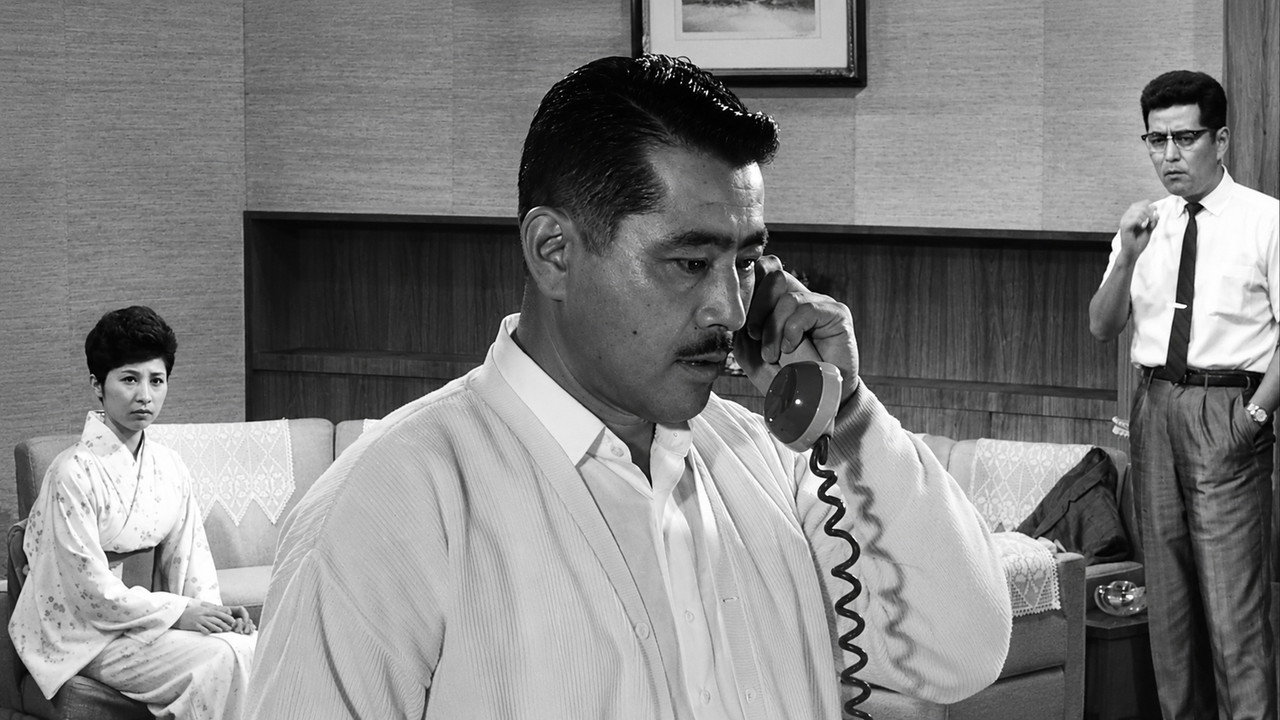
A Yokohama shoe executive faces a wrenching choice when kidnappers mistakenly seize his chauffeur’s son but demand the ransom anyway.
The trailer isn't playing right now
The source refused this stream. Nothing else on the page is affected — the cast, ratings and details below are all live.
Trailer finished
Film
天国と地獄
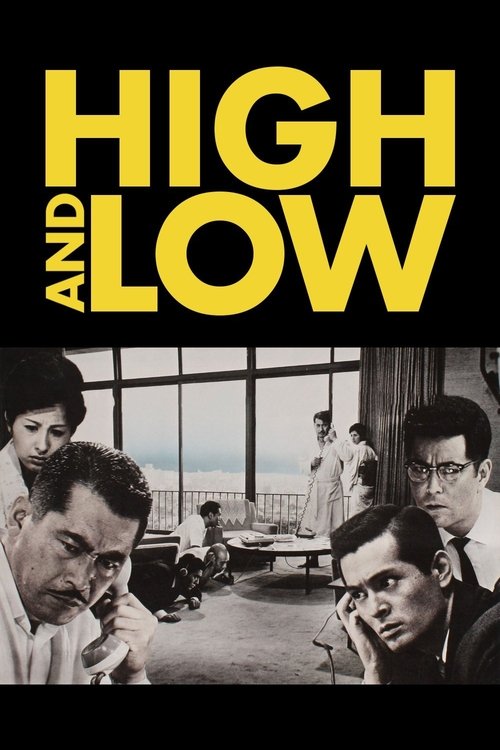
High and Low (1963) is a drama, crime and thriller film. It runs 142 minutes. It was directed by Akira Kurosawa. TMDB viewers rate it 8.4 out of 10 from 1,000+ votes. It carries a NR age rating. In the United States it streams on HBO Max Amazon Channel and HBO Max.
“Stark, intense drama almost beyond belief!”
 Toshirō Mifune
Kingo Gondo
 Tatsuya Nakadai
Chief Detective Tokura
 Kyōko Kagawa
Reiko Gondo
 Tatsuya Mihashi
Kawanishi, Gondo's secretary
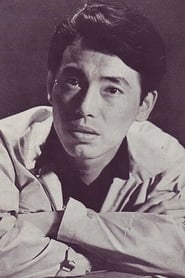 Isao Kimura
Detective Arai
 Kenjirō Ishiyama
Chief Detective 'Bos'n' Taguchi
 Takeshi Katō
Detective Nakao
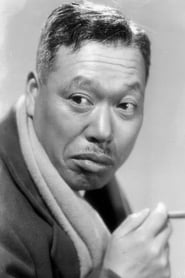 Takashi Shimura
Chief of Investigation Section
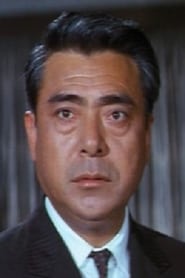 Jun Tazaki
Kamiya, National Shoes Publicity Director
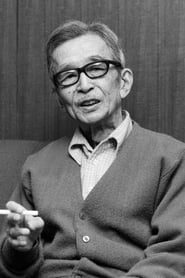 Nobuo Nakamura
Ishimaru, National Shoes Design Department Director
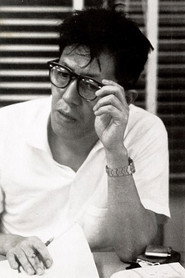 Yūnosuke Itō
Baba - National Shoes Executive
 Tsutomu Yamazaki
Ginjirô Takeuchi - Medical Intern
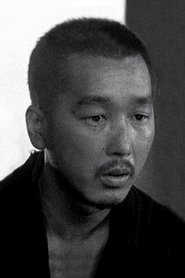 Minoru Chiaki
First Reporter
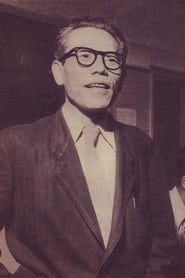 Eijirō Tōno
Factory Worker
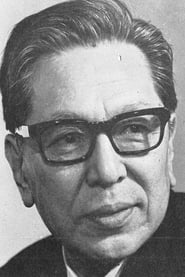 Masao Shimizu
Prison Warden
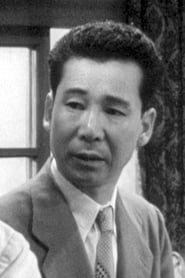 Yutaka Sada
Aoki - the Chauffeur
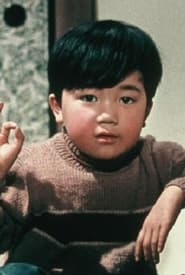 Masahiko Shimazu
Shinichi Aoki
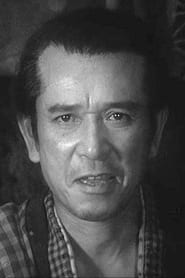 Kōji Mitsui
Second Reporter
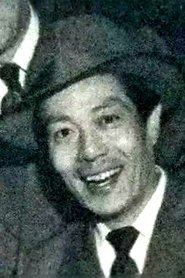 Kyū Sazanka
First Creditor
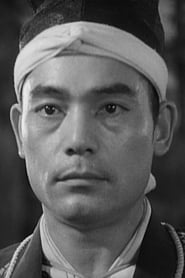 Susumu Fujita
Chief of First Investigating Section
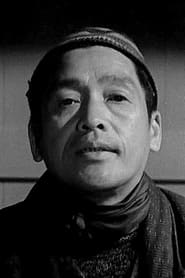 Kamatari Fujiwara
Junkyard Cook
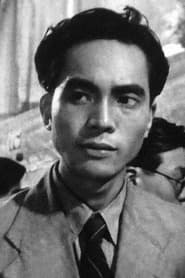 Yoshio Tsuchiya
Detective Murata
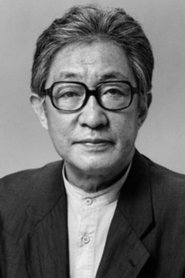 Kazuo Kitamura
Third Reporter
High and Low (1963) is a drama, crime, thriller and mystery film directed by Akira Kurosawa from Japan. It runs 142 minutes and is listed as released. Toshirō Mifune and Tatsuya Nakadai lead the cast. Viewers rate it 8.4 out of 10 from 1,245 votes. In the United States it streams on HBO Max Amazon Channel, HBO Max.
A Yokohama shoe executive faces a wrenching choice when kidnappers mistakenly seize his chauffeur’s son but demand the ransom anyway.
Best Recommended
Stream on MovieState
Availability differs by country and server. Check the options on this page first, then open the player.
 HBO Max Amazon Channel
 HBO Max
 Shout! Factory TV
 YouTube Free
 Plex
 Tubi TV
 Amazon Video
 Apple TV Store
 Fandango At Home
Amazon Video
Apple TV Store
Fandango At Home
Official streaming partners in the United States. Availability varies by country and provider, and these are listings rather than our own servers.
 TOHO
I didn't take to this initially. The scenario reminded me a little of an episode of "Columbo" - a rather sterile, studio-set environment that came across as quite limiting. Once it gets going, though, it's one of the best crime thrillers I've seen in ages. It all centres around the kidnapping of a small boy for whom…
I didn't take to this initially. The scenario reminded me a little of an episode of "Columbo" - a rather sterile, studio-set environment that came across as quite limiting. Once it gets going, though, it's one of the best crime thrillers I've seen in ages. It all centres around the kidnapping of a small boy for whom the anger-prone, shoe millionaire "Gondo" (a strong contribution from Toshirô Mifune) is supposed to pay a ransom of ¥30 million - a colossal sum. It turns out, though, that it's not his son who has been snatched - it's the child of his chauffeur. Why ought he to pay? Will he just get on with his impending company takeover or will he risk bankruptcy for the young "Shinichi"? This is a film split into three sections. The first deals with the decision making process around will he/won't he/why should he. Next, the police must try to apprehend this individual. This process is meticulously carried out and Kurosawa has chosen to immerse us in some of that detail, rather than just cursorily skip through it. This makes the whole detection process a much more interesting part of the film; allowing some aspects of the characterisation of the police officers to develop and also introducing some dark humour to the proceedings. Finally, we reach the denouement with it's own rather curious and not entirely explicable agenda. There's an element of "what would you do?", there's a grim depiction of a seamier side of Japanese (heroin-fuelled) culture that we seldom get to see and there is a rather starkly effective dose of humanity presented here as the story juggles aspects of human nature, nurture and good old fashioned greed in quite an effective fashion. It's based on an Ed McBain book (which I haven't read) but the entire project has been successfully subsumed into it's guest culture for a gripping and detailed mystery that flies by.
A well worked, high stake crime thriller. The stakes are deeply personal to our main characters and puts them in an impossible situation. The performances and direction are very solid, the story is engaging and ultimately, it's a simple yet enjoyable film. Kurosawa comments on modern corporate greed and poverty in…
A well worked, high stake crime thriller. The stakes are deeply personal to our main characters and puts them in an impossible situation. The performances and direction are very solid, the story is engaging and ultimately, it's a simple yet enjoyable film. Kurosawa comments on modern corporate greed and poverty in post-war Japan, and he does it very well.
I’m always amazed at how a single film can be fundamentally characterized in multiple ways, but that’s understandable when the picture combines an array of diverse elements, each of which has a validity all its own that can subsequently lead to different overarching interpretations. Such is the case with this 1963…
I’m always amazed at how a single film can be fundamentally characterized in multiple ways, but that’s understandable when the picture combines an array of diverse elements, each of which has a validity all its own that can subsequently lead to different overarching interpretations. Such is the case with this 1963 film classic from famed Japanese auteur Akira Kurosawa, which provides the cinematic inspiration behind filmmaker Spike Lee’s current reimagination, “Highest 2 Lowest,” now playing theatrically. Like the current iteration, “High and Low” follows the story of a wealthy businessman, Kingo Gondô (Toshirô Mifune), who’s looking to take control of the shoe manufacturing company for which he works, a plan that requires him to leverage his entire personal fortune to make it possible. But, just as he’s about to close the deal, he’s distracted by the alleged kidnapping of his young son (Toshio Egi), a crime for which the perpetrator demands a ransom equal in value to the funds needed to cover the pending transaction. However, not long after hearing about the kidnapping, Gondô learns that the culprit has nabbed the wrong child, erroneously taking the son (Masahiko Shimazu) of his chauffeur (Yutaka Sada). But Gondô is not off the hook: the kidnapper still demands payment of the ransom, even though the crime doesn’t involve his son. This leaves Gondô with a huge moral dilemma: does he use the money to close his business deal or to pay the ransom of his employee’s child? As Gondô grapples with this decision, an intense police investigation ensues to discover the kidnapper’s identity and to figure out a way to retrieve both the victim and the ransom money. Unlike the current film, though, Kurosawa’s version focuses less on the particulars driving this scenario and more intently on the ethical questions that the protagonist is left to wrestle with, issues ultimately symbolic of the divisive class and economic disparities in Japanese society. Indeed, while the picture provides viewers with its share of intense thriller moments, in many regards it’s really more of a morality play, not only where Gondô is concerned, but also in its exploration of the inherent chasms…
Tell us what is wrong with High and Low. Reports are reviewed by a person, not a bot.