The source refused this stream. Nothing else on the page is affected — the cast, ratings and details below are all live.
Trailer finished
0:00 / 0:00
Film
Dolls
ドールズ
2002·114 min·★7.5388 votes
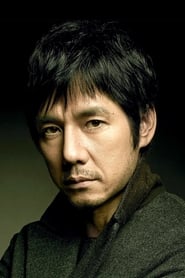
Dolls (2002) is a drama and romance film. It runs 114 minutes. It was directed by Takeshi Kitano. TMDB viewers rate it 7.5 out of 10 from 388 votes. The cast includes Miho Kanno, Hidetoshi Nishijima, Tatsuya Mihashi. Dolls takes puppeteering as its overriding motif, which relates thematically to the action provided by the live characters.
Dolls (2002) is a drama and romance film directed by Takeshi Kitano from Japan. It runs 114 minutes and is listed as released. Miho Kanno and Hidetoshi Nishijima lead the cast. Viewers rate it 7.5 out of 10 from 388 votes.
Synopsis
Dolls takes puppeteering as its overriding motif, which relates thematically to the action provided by the live characters. Chief among those tales is the story of Matsumoto and Sawako, a young couple whose relationship is about to be broken apart by the former's parents, who have insisted their son take part in an arranged marriage to his boss' daughter.
How to watch
BestRecommended
Stream on MovieState
Availability differs by country and server. Check the options on this page first, then open the player.
**Summary: 8/10: a visually sumptuous meditation on fate and consequence, hampered by cinema's impatience with theatrical time, but anchored by Kitano's conviction that we are all, in the end, tied to choices.** Takeshi Kitano has made a career building cages: boxing rings, police precincts, the closed circuits of…
**Summary: 8/10: a visually sumptuous meditation on fate and consequence, hampered by cinema's impatience with theatrical time, but anchored by Kitano's conviction that we are all, in the end, tied to choices.** Takeshi Kitano has made a career building cages: boxing rings, police precincts, the closed circuits of obligation or vengeance. *Dolls* is, on its surface, the strangest escape from that motif he has ever attempted, and yet it is not an escape at all. He merely replaced steel bars with a length of red cord, and therein Kitano discovers that his oldest subject, the individual trapped by forces larger than himself, certainly survives a change of costume. The film opens with puppets, Japanese bunraku, and closes with puppets, and in between it asks what separates a human being pulled by fate from a doll pulled by strings. The answer is delivered with great tenderness and considerable patience. The achievement of *Dolls* lies first in its eye. Kitano, working with Yohji Yamamoto's costuming and Katsumi Yanagijima's cinematography, treats each frame as a theater set rather than a shot. The bound lovers, Matsumoto and Sawako, pass through cherry blossoms, then summer green, then the fire of autumn maple, then a hush of snow, and the seasons do the emotional labor that dialogue cannot. Since Sawako has been rendered mute by her suicide attempt, and Matsumoto by grief, color becomes language. This is Kitano at his most artistic, closer in spirit to a Japanese scroll painting than to a screenplay, and it is easy to see why the film announces its intentions by filming an actual bunraku performance of Chikamatsu Monzaemon's *The Courier for Hell* as the opening salvo. The puppets, lacquered and magnificent, perform their own doom with formal control. Kitano wants his movie to emulate bunraku theater. It does not entirely succeed, and here is the film's honest failure. Bunraku earns its deliberateness because the audience has agreed, by entering the theater, to a different contract with time. The chanter's voice stretches syllables to create the sound of grief; the puppeteers, visible and unhidden, remind the audience constantly that artifice is the point, not an…