Synopsis
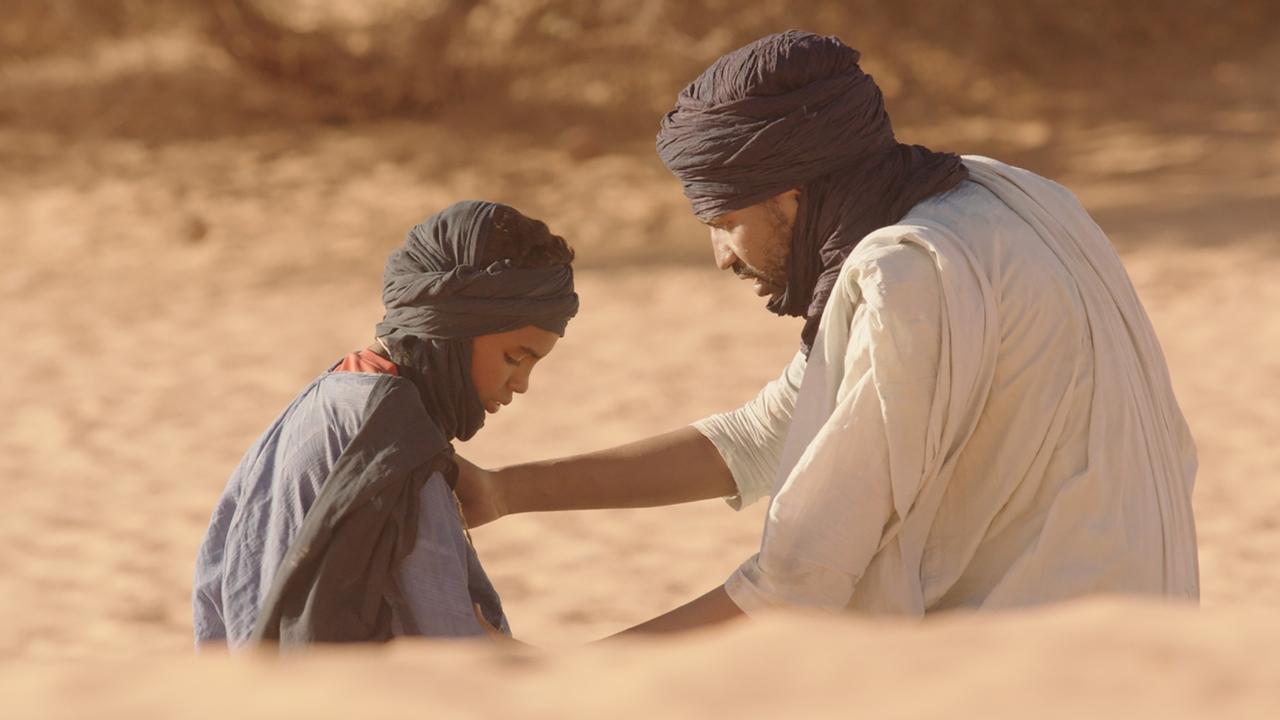
Just outside of the Malian city of Timbuktu, now occupied by militant Islamic rebels who impose the Sharia on civilians and inconvenience their daily life, a cattleman kills a fisherman.
The trailer isn't playing right now
The source refused this stream. Nothing else on the page is affected — the cast, ratings and details below are all live.
Trailer finished
Film
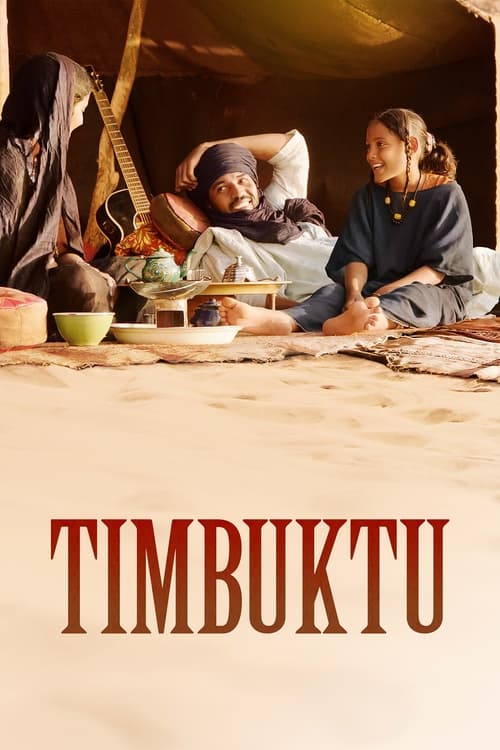
Timbuktu (2014) is a drama and war film. It runs 96 minutes. It was directed by Abderrahmane Sissako. TMDB viewers rate it 7.0 out of 10 from 535 votes. It carries a 12 age rating. In the United States it streams on Cohen Media Amazon Channel.
“A song for freedom.”
 Ibrahim Ahmed
Kidane
 Toulou Kiki
Satima
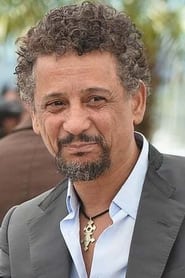 Abel Jafri
Abdelkrim
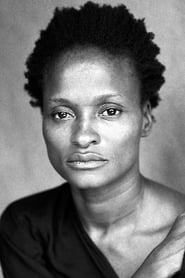 Kettly Noël
Zabou
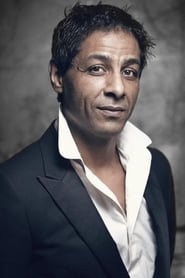 Hichem Yacoubi
Jihadist
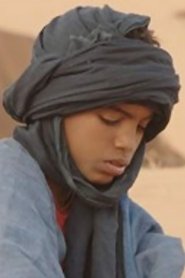 Mehdi A.G. Mohamed
Issan
 Fatoumata Diawara
Singer
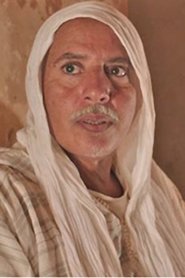 Adel Mahmoud Cherif
The Imam
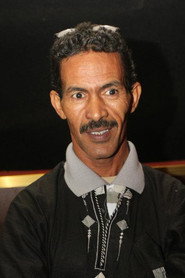 Salem Dendou
Jihadist leader
 Zikra Oualet Moussa
Tina
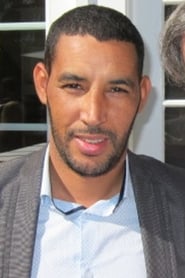 Weli Kleïb
Judge
Timbuktu (2014) is a drama and war film directed by Abderrahmane Sissako from France. It runs 96 minutes and is listed as released. Ibrahim Ahmed and Toulou Kiki lead the cast. It took $1 million at the box office. Viewers rate it 7.0 out of 10 from 535 votes. In the United States it streams on Cohen Media Amazon Channel.
Just outside of the Malian city of Timbuktu, now occupied by militant Islamic rebels who impose the Sharia on civilians and inconvenience their daily life, a cattleman kills a fisherman.
Best Recommended
Stream on MovieState
Availability differs by country and server. Check the options on this page first, then open the player.
 Cohen Media Amazon Channel
 Kanopy
 Tubi TV
 Amazon Video
 Apple TV Store
 Google Play Movies
 YouTube
Amazon Video
Apple TV Store
Google Play Movies
YouTube
Official streaming partners in the United States. Availability varies by country and provider, and these are listings rather than our own servers.
 Les films du Worso
 Orange Studio
 Arches Films
 ARTE France Cinéma
Not being a man of any religiosity at all, the effects seems to me all the more potent when a group of Jihadists arrive in this town and start to impose Sharia law. Now I don't wish to get all political here, but what we see for the next ninety minutes or so offers us some of the most appalling and disturbing scenes…
Not being a man of any religiosity at all, the effects seems to me all the more potent when a group of Jihadists arrive in this town and start to impose Sharia law. Now I don't wish to get all political here, but what we see for the next ninety minutes or so offers us some of the most appalling and disturbing scenes I've ever seen in a fact-based film. It's presented in an effective docu-drama style and follows storylines that see the townsfolk fall foul of their uninvited new regime. To add some context, one man gets 20 lashes for playing football - because it is banned. A woman receives many times that for being in a room with another man. Inappropriate laughing is prohibited as are cigarettes for certain people, too. For the men the rules are harsh, for the women they are controlling and disrespectful offering reinforcement of an historically cultural and societal view that women are property to be traded as required. More seriously, when a cattle herder murders a fisherman who has killed one of his life-endowing cows, we get a sense of the eye-for-an-eye mentality that prevails, coupled with the concept of "blood money". The ritual burying of two people in the sand so they can be stoned by their peers is toe-curling. The film depicts situations that beggar belief at just about every turn. The drama isn't graphic and the acting probably isn't going to turn your head - except, perhaps, for Ibrahim Ahmed's cowman "Kidane" - individually, but the whole ensemble effort conveys a scenario that oppresses the very soul of this community and those watching. The random nature of the judicial process, such as it is, would be laughable were it not so arbitrary. Now it does emphasise the ridiculous and the brutal to make it's point and there is little sense of balance here and that does incline me to think that director Abderrahmane Sissako has some skin in this game. Has he a story of his own to tell? There can be benefits to a stable society that respects the rules and tenets of it's faith - but when the rules start telling you you can't kick a ball, then maybe it's time to wonder whether God hasn't more important things to worry about. That's the crux here, so many…
TMDb lists _Timbuktu_ as a French film — a legacy of TMDb’s rigid, funding-based categorisation system. But that’s a bureaucratic fiction. _Timbuktu_ was shot in Mauritania, directed by a Mauritanian (Abderrahmane Sissako), and submitted by Mauritania for the Oscars. To deny it as a Mauritanian film is to prioritise…
TMDb lists _Timbuktu_ as a French film — a legacy of TMDb’s rigid, funding-based categorisation system. But that’s a bureaucratic fiction. _Timbuktu_ was shot in Mauritania, directed by a Mauritanian (Abderrahmane Sissako), and submitted by Mauritania for the Oscars. To deny it as a Mauritanian film is to prioritise production money over cultural authorship — a quietly colonial impulse that continues to erase African voices from their own stories. Cinema is more than contracts and credits. Let’s stop pretending otherwise. _Timbuktu_ is a film of quiet fury, showing how a city famed for its culture is smothered by self-appointed guardians of morality. Abderrahmane Sissako avoids easy sensationalism, instead dwelling on the absurdity and cruelty of daily life under jihadist rule: women punished for singing, men forced into marriages, lives upended by diktats as arbitrary as they are brutal. The tone is restrained, which makes the eruptions of violence and despair cut deeper. One sequence distils the whole film. Football is banned, so a group of boys play with an invisible ball. They run, feint, pass, score — every gesture perfectly timed without a single object on screen. It’s funny and joyous, yet heartbreaking, a rebellion powered by imagination alone. That invisible ball becomes a symbol of resilience: culture cannot be outlawed when it lives in the body and the mind. And perhaps that’s the parallel: the militants seek to erase culture with guns, whilst TMDb does it with metadata. In both cases, identity is overwritten, but resistance finds ways to play on.
Tell us what is wrong with Timbuktu. Reports are reviewed by a person, not a bot.